Healthy skin is something many people strive for, but concerns such as acne scars, pigmentation, fine lines, enlarged pores, and uneven texture can make achieving a clear complexion challenging. While skincare products can improve surface-level concerns, they may not always address deeper skin issues. This is where Fractional Laser Treatment has become a popular option for people looking to improve skin quality with a medically supervised approach.
At Heal And Care Clinic, Dr. Manisha Patil offers personalized skin assessments to determine whether fractional laser therapy is suitable for an individual's skin type and concerns. Since every person's skin responds differently, understanding the treatment before making a decision is essential.
What Is Fractional Laser Treatment?
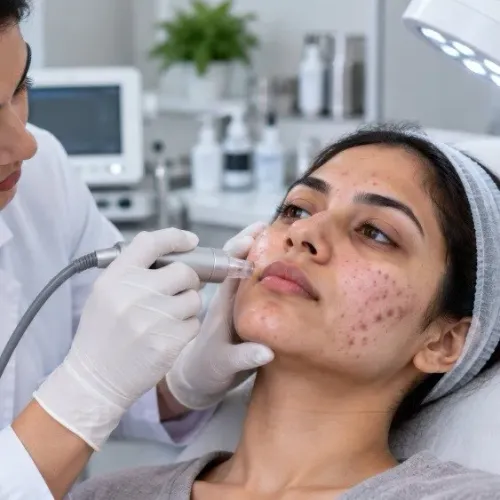
Fractional laser treatment is a skin resurfacing procedure that creates tiny, controlled micro-injuries in the skin using laser technology. These microscopic treatment zones stimulate the body's natural healing response and encourage the production of collagen and elastin.
Unlike older laser technologies that treated the entire skin surface, fractional lasers work on only a fraction of the skin at a time. The untreated surrounding skin supports faster healing while reducing downtime.
This treatment is commonly recommended for improving overall skin texture rather than simply masking visible imperfections.
What Skin Concerns Can It Help Address?
Fractional laser treatment is versatile and can be recommended for various cosmetic skin concerns.
These may include:
- Acne scars
- Surgical scars
- Sun-damaged skin
- Fine lines and wrinkles
- Uneven skin texture
- Enlarged pores
- Mild skin laxity
- Pigmentation irregularities
- Stretch marks in selected cases
The exact results depend on the individual's skin condition, treatment plan, and post-procedure care.
How Does the Treatment Work?
The laser creates thousands of tiny treatment columns that penetrate the skin while leaving surrounding tissue untouched. This controlled process activates the skin's natural repair mechanism.
As healing progresses:
- Old, damaged skin cells are replaced.
- New collagen develops beneath the skin.
- Skin texture gradually improves.
- Tone becomes more even.
- The skin appears firmer and smoother over time.
Because collagen production continues for several weeks after treatment, improvements often become more noticeable gradually rather than immediately.
What Happens During the Procedure?
Before treatment, the doctor evaluates the skin and discusses medical history, lifestyle factors, and treatment expectations.
The procedure generally involves:
- Cleansing the treatment area.
- Applying a numbing cream if required.
- Performing the laser treatment.
- Applying soothing products after completion.
- Providing detailed aftercare instructions.
Depending on the area being treated, the session may take anywhere from 20 minutes to an hour.
What Can You Expect During Recovery?
Recovery varies depending on the laser settings and the individual's skin sensitivity.
Common temporary effects include:
- Mild redness
- Swelling
- Warmth similar to a mild sunburn
- Dryness
- Peeling over the following days
Most people can gradually resume normal daily activities while following the skincare routine advised by their doctor.
Protecting the skin from direct sunlight is especially important during the healing period to achieve the best possible outcome.
Is One Session Enough?
The answer depends on the skin concern being treated.
For example:
- Mild pigmentation may improve after fewer sessions.
- Acne scars often require multiple treatments.
- Deeper wrinkles may need a customized treatment schedule.
- Skin rejuvenation plans are designed according to age and skin condition.
Rather than focusing on a fixed number of sessions, dermatology professionals usually create individualized treatment plans that deliver gradual and natural-looking improvements.
Who May Benefit from Fractional Laser Treatment?
People considering this treatment often include those who:
- Have acne scars that have not improved with creams.
- Notice early signs of skin ageing.
- Want smoother skin texture.
- Have uneven pigmentation.
- Wish to improve skin quality without surgery.
- Are looking for medically supervised skin rejuvenation.
However, certain skin infections, active acne flare-ups, or medical conditions may require treatment before laser procedures are considered.
Tips for Better Results
Preparing the skin before treatment and caring for it afterwards can significantly influence recovery.
Some helpful recommendations include:
- Follow your doctor's pre-treatment advice.
- Avoid excessive sun exposure.
- Wear sunscreen consistently.
- Keep the skin moisturized.
- Avoid harsh exfoliants during healing.
- Attend follow-up appointments if advised.
These simple measures support healthy skin recovery and help maintain long-term improvements.
Choosing a Qualified Medical Professional Matters
Laser treatments are highly technique-dependent. Factors such as skin type, medical history, treatment settings, and aftercare all influence safety and outcomes. A personalized consultation helps determine whether fractional laser treatment is appropriate and whether other skin procedures may better address specific concerns.
For people living in Pune and across Maharashtra, receiving treatment under experienced medical supervision ensures that skin health remains the priority rather than simply focusing on cosmetic improvement.
If you're considering fractional laser treatment for acne scars, pigmentation, or overall skin rejuvenation, consulting Heal And Care Clinic with Dr. Manisha Patil can help you understand the available options. A detailed skin evaluation allows the treatment plan to be tailored to your skin type, goals, and expectations for natural, long-lasting results.
Keywords