Breast development, body hair, discharge, acne, mood changes and the first period can all raise questions about what is normal and what needs medical attention. By the end, you will know the usual puberty sequence, the menstrual warning signs that deserve review, how an adolescent consultation works, and how to prepare your daughter for one.
Key takeaways
- Breast development before age 8 or after age 13 needs medical assessment.
- First periods can be irregular; track bleeding, pain and cycle gaps.
- Seek care for severe pain, heavy bleeding, persistent discharge or sudden hair growth.
- Ask how confidentiality, consent and parent involvement work before the appointment.
What changes are normal, and when is puberty outside the usual range?
The puberty stages in girls usually begin with breast development between ages 8 and 13. Pubic and underarm hair, body odour, oily skin, a growth spurt in girls, and clear or white vaginal discharge follow; the first period commonly arrives 2–3 years after breast development, around ages 12–13.
Mood swings, increased sensitivity, privacy-seeking and changing friendships are common, but persistent sadness, anxiety, withdrawal or self-harm thoughts need prompt support.
| Sign or pattern | Usually expected | Arrange assessment when |
|---|---|---|
| Breast development | Gradual change from ages 8–13 | Breast development starts before 8, or has not started by 13 |
| Height, hair and periods | Growth accelerates; hair and periods develop progressively | Puberty progresses rapidly, or menstruation has not begun by 15 or within 3 years of breast development |
| Early menstrual cycles | Irregular cycles are common while ovulation matures | Any gap exceeds 90 days, or cycles persist outside 21–45 days |
| Bleeding and pain | Flow and cramps vary during the first years | Bleeding lasts over 7 days, soaks a pad or tampon every 1–2 hours, causes fainting, or pain disrupts school |
Rapid facial or body-hair growth, severe acne, deepening voice or other rapid physical changes also deserve review, especially with irregular periods. Assessment looks beyond cosmetic treatment for thyroid disease, nutrition or exercise problems, medication effects, androgen excess, pregnancy when relevant, and other causes.
What should you expect from the first periods?
The first period rarely establishes a neat monthly schedule. During the first two to three years after menarche, ovulation is still maturing, so irregular periods after menarche are common. Cycles often fall between 21 and 45 days, bleeding lasts up to seven days, and flow can vary from light to moderate.
Mild cramps, backache, tiredness or nausea are common with painful periods in teenage girls.
| Feature | Common pattern | Prompt medical review |
|---|---|---|
| Cycle interval | Usually 21–45 days, with some variation | Any gap longer than 90 days, or repeated cycles outside 21–45 days |
| Bleeding | Up to seven days; flow gradually lightens after the first few days | Soaking a pad or tampon every one to two hours, bleeding beyond seven days, large clots, or suspected heavy menstrual bleeding in adolescents |
| Pain | Cramps that improve with heat or an anti-inflammatory medicine | Pain that causes missed school, fainting, vomiting, worsening month by month, or continues despite treatment |
Ibuprofen or naproxen works best when started at the first sign of bleeding or pain, or shortly before an expected period; ask a clinician about safe dosing and avoid these medicines when contraindicated. Seek prompt care for fainting, breathlessness, marked weakness or severe pain.
Assessment is also due if the first period has not occurred by age 15 or within three years of breast development.
Which acne, discharge, pain and hair concerns need assessment?
Ordinary puberty changes are gradual, mild and manageable; rapid progression, severe symptoms or distress deserve assessment rather than reassurance alone.
| Concern | More consistent with puberty | Arrange assessment when |
|---|---|---|
| Acne | Blackheads, whiteheads and a few inflamed spots respond to teenage acne treatment. | Deep, painful nodules, scarring, sudden severe acne or major distress needs early treatment. |
| Discharge | Normal vaginal discharge during puberty is clear or white, without strong odor, itching or pain. | Persistent odor, yellow-green or bloody discharge, sores, burning or pelvic pain can indicate infection or another condition. |
| Pain | Mild cramps improve with ibuprofen or naproxen taken at bleeding onset, if medically suitable. | Pain that is disabling, worsening, or persists despite treatment raises concern for endometriosis. |
| Hair | Pubic, underarm or facial hair follows a family pattern and develops gradually. | Unwanted facial hair in adolescents needs review if it appears rapidly with irregular periods, severe acne, deepening voice, increased muscle mass or other signs of androgen excess. |
| Mood | Irritability or tearfulness comes and goes without impairing daily life. | Persistent low mood, anxiety, school withdrawal, eating changes or thoughts of self-harm require prompt support. |
Use simple vulvar hygiene for girls: rinse the external skin with lukewarm water or mild, unscented cleanser. Avoid douching, fragranced wipes, sprays and antiseptics inside the vagina. Shaving does not thicken hair, although blunt regrowth can look darker.
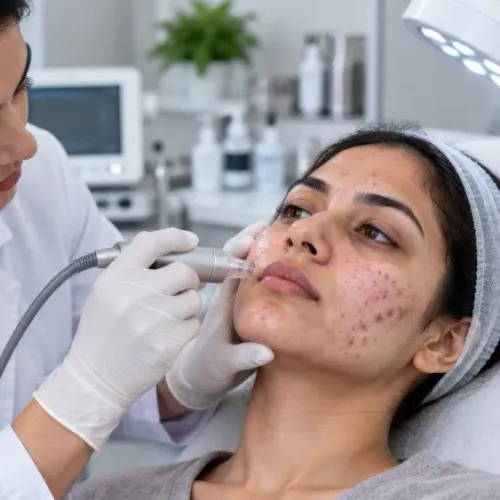
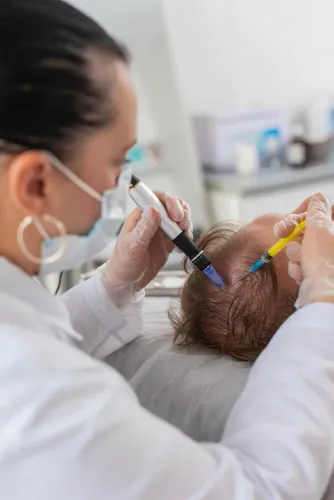
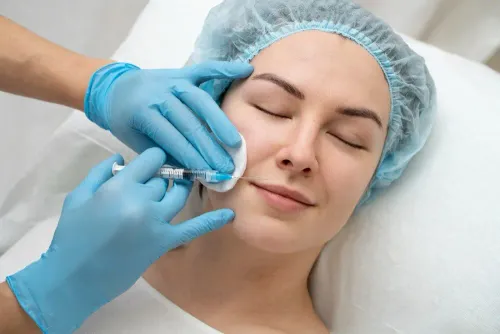
Avoid cosmetic injectables, aggressive peels or laser procedures until a clinician has assessed the cause, consent and body-image distress.
What happens at an adolescent clinic visit, and how is privacy protected?
At an adolescent gynecology visit, the clinician asks about periods, pain, bleeding, discharge, acne, hair growth, mood, sleep, eating, exercise, medicines, allergies and relevant family history. They may ask privately about relationships, sexual activity, contraception, pregnancy risk, substance use, bullying, self-harm or feeling unsafe.
- The clinician checks height, weight, blood pressure and pubertal development, then examines the skin, thyroid, abdomen and areas linked to the concern.
- A pelvic examination is not automatic. Menstrual concerns, acne and contraception often need no speculum examination; urine, blood tests or a self-collected vaginal swab may answer the question.
- The adolescent receives private time without a parent in the room. This confidential care for minors allows honest discussion, while the clinician explains its limits before sensitive questions begin.
Parents are involved when there is an immediate safety risk, suspected abuse, a legally reportable situation, or a decision requiring their consent. The clinician should share general health information with the family while protecting personal details whenever safety permits.
Prepare a menstrual calendar, medication and allergy list, vaccination record, previous reports and questions. Bring the adolescent’s own account, not only a parent’s summary.
Dr Manisha Patil's Heal & Care - 08048073856 can be considered when a family is comparing a puberty clinic in Pune; ask how private time, consent and test results are handled before booking.
Related service
Gynecology & Women's Health Adolescent & Puberty Clinic in NIBM Road,Pune Compassionate, Confidential & Comprehensive Healthcare for Adolescent Girls Adolescence is an important stage of growth and development when a girl... View service → |
Which preventive and treatment decisions matter during adolescence?
The important decisions are vaccination, screening, nutrition, skin treatment and safety—not simply waiting for puberty to finish. HPV vaccination for adolescents prevents new infections; follow your national schedule, with catch-up vaccination through age 26 in U.S. guidance. It does not treat existing HPV.
Sexually active girls under 25 need annual chlamydia and gonorrhea screening under that guidance, often through urine or a vaginal swab without a speculum examination.
| Concern | Better first decision | What to avoid |
|---|---|---|
| Amenorrhea and excessive exercise | Assess food intake, weight change, training load, thyroid function and pregnancy when relevant; restore adequate energy | Using a combined pill only to create withdrawal bleeding while low nutrition or overtraining continues |
| Acne | Match treatment to severity: benzoyl peroxide, a topical retinoid or both; treat scarring or distress early | Antibiotic creams or tablets alone, prolonged antibiotic use, or delaying care until puberty ends |
| Sun exposure | Use broad-spectrum SPF 30 or higher, protective clothing and shade; reapply sunscreen every two hours outdoors | Tanning beds and deliberate tanning |
| Cosmetic procedures for teenagers | First assess skin disease, expectations, consent, coercion and body-image distress with a qualified clinician | Routine injectables, aggressive peels, lasers or energy treatments for normal pubertal changes |
A missed period after established cycles needs assessment when it lasts 90 days. No menstruation by 15, or within three years of breast development, also warrants evaluation. Procedures can cause burns, pigment changes, scars, infection or vascular complications.
Frequently asked questions
What changes are normal during puberty, and when is it outside the usual range?
Breast development usually begins between ages 8 and 13. Pubic hair, underarm hair, body odour, oily skin, a growth spurt and clear or white discharge follow. Breast development before age 8 or no development by age 13 needs assessment.
What should you expect from the first periods?
The first period commonly arrives 2–3 years after breast development, around ages 12–13. Early cycles can be irregular, but track bleeding, pain and gaps between periods so concerning changes are easier to identify.
Which acne, discharge, pain and hair concerns need assessment?
Arrange an assessment for severe or scarring acne, foul-smelling or unusual discharge, significant pelvic pain, very heavy bleeding, or sudden excess facial or body hair.
What happens at an adolescent clinic visit, and how is privacy protected?
The clinician asks about development, periods, symptoms, medications, mood and sexual health. They explain each examination, discuss confidentiality and clarify when a parent or guardian must be involved for safety or consent.
Which preventive and treatment decisions matter during adolescence?
Discuss menstrual tracking, iron needs, pain relief, acne treatment, vaccinations, sexual-health protection, nutrition, sleep, mental health and follow-up plans based on the adolescent’s symptoms and examination.