Changes in skin tone around the intimate area are common and occur naturally in many women. Factors such as hormonal fluctuations, pregnancy, ageing, friction, genetics, and lifestyle can contribute to increased pigmentation over time. Although darker skin in intimate areas is completely normal and usually does not indicate a medical problem, some women choose to explore cosmetic treatments to achieve a more even skin tone and feel more confident.
If you are considering intimate area whitening treatment, understanding the causes of pigmentation, available treatment options, and the importance of professional care can help you make an informed decision. Rather than relying on home remedies or products with unverified claims, consulting a qualified medical professional ensures that treatment is both safe and appropriate for your skin.
Why Does Intimate Area Pigmentation Occur?
Skin colour is determined by melanin, the pigment produced naturally by the body. Certain areas, including the bikini line and genital region, often have higher melanin levels than surrounding skin. This variation is normal and differs from person to person.
Several factors may increase pigmentation, including:
- Hormonal changes during puberty, pregnancy, or menopause
- Constant friction from tight clothing
- Frequent shaving or waxing
- Obesity leading to skin rubbing
- Ageing
- Genetic factors
- Certain skin disorders
- Previous inflammation or irritation
In most cases, pigmentation develops gradually and is not associated with any underlying disease.
Is Treatment Necessary?
Intimate area whitening treatment is entirely a personal choice. Since pigmentation is generally harmless, treatment is usually sought for aesthetic reasons rather than medical necessity.
However, if pigmentation is accompanied by symptoms such as itching, pain, unusual discharge, rashes, or sudden changes in skin appearance, it is important to seek medical evaluation to rule out infections or dermatological conditions before considering cosmetic procedures.
Professional Treatment Options
Modern aesthetic medicine offers several clinically supervised treatments designed to improve pigmentation while protecting the delicate skin of intimate areas.
Depending on your skin type and the cause of pigmentation, treatment may include:
Medical Chemical Peels
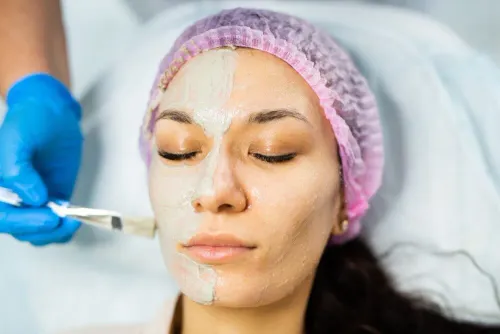
Specially formulated chemical peels encourage gentle exfoliation and skin renewal, helping reduce superficial pigmentation over a series of sessions.
Laser-Based Pigmentation Reduction
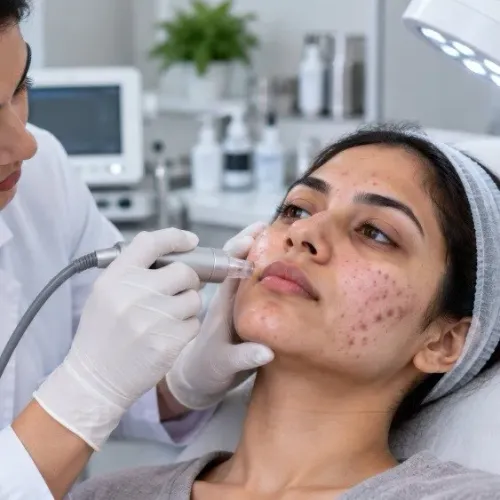
Laser treatments target excess melanin while preserving the surrounding tissue. The number of sessions required depends on the severity of pigmentation and individual skin response.
Skin Brightening Therapies
Professionally recommended topical treatments and medical-grade skin-brightening products may be used alongside clinical procedures to enhance results.
Combination Treatments
Some patients benefit from combining multiple treatment methods for gradual and more comprehensive improvement.
The most suitable option is determined only after a thorough skin assessment.
What Happens During the Consultation?
A consultation is an important first step because every woman's skin responds differently to treatment.
During the appointment, your doctor will typically evaluate:
- Your medical history
- Current skin concerns
- Hormonal health
- Previous treatments
- Skin sensitivity
- Lifestyle factors that may contribute to pigmentation
Based on this assessment, a personalised treatment plan is created to address your specific needs and expectations.
Preparing for Treatment
To ensure safe and effective results, your doctor may recommend certain precautions before beginning treatment.
These may include:
- Avoiding harsh skincare products
- Maintaining proper intimate hygiene
- Informing your doctor about any medications
- Avoiding self-treatment with over-the-counter bleaching creams
- Following all pre-procedure instructions carefully
These measures help minimise irritation and prepare the skin for treatment.
Caring for the Skin After Treatment
Post-treatment care plays a significant role in achieving long-lasting results.
Patients are usually advised to:
- Keep the treated area clean and dry
- Wear loose, breathable cotton clothing
- Avoid excessive friction
- Use only prescribed skincare products
- Attend follow-up appointments as recommended
- Follow all aftercare instructions provided by the treating doctor
Consistency with aftercare helps maintain skin health while reducing the likelihood of recurring pigmentation.
Why Choosing a Qualified Specialist Matters
The skin in intimate areas is delicate and requires specialised care. Attempting to lighten pigmentation with unverified creams or home remedies can sometimes lead to irritation, allergic reactions, burns, or uneven skin tone.
Women seeking intimate aesthetic care in Pune often prefer experienced professionals who combine advanced treatment options with personalised medical guidance. At Dr Manisha Patil's Heal & Care, every patient undergoes a comprehensive consultation before treatment is recommended, ensuring that procedures are selected according to individual skin type, health history, and aesthetic goals.
Make Your Decision with Confidence
Intimate area whitening treatment is a personal choice that should always be based on accurate medical information rather than unrealistic promises or social pressure. While pigmentation is usually a natural variation of healthy skin, safe and effective treatment options are available for women who wish to improve its appearance.
Choosing professional care allows you to understand your options, receive treatments tailored to your skin, and prioritise both safety and long-term skin health. With realistic expectations and expert guidance, you can make informed decisions that support your confidence and overall well-being.
Keywords