
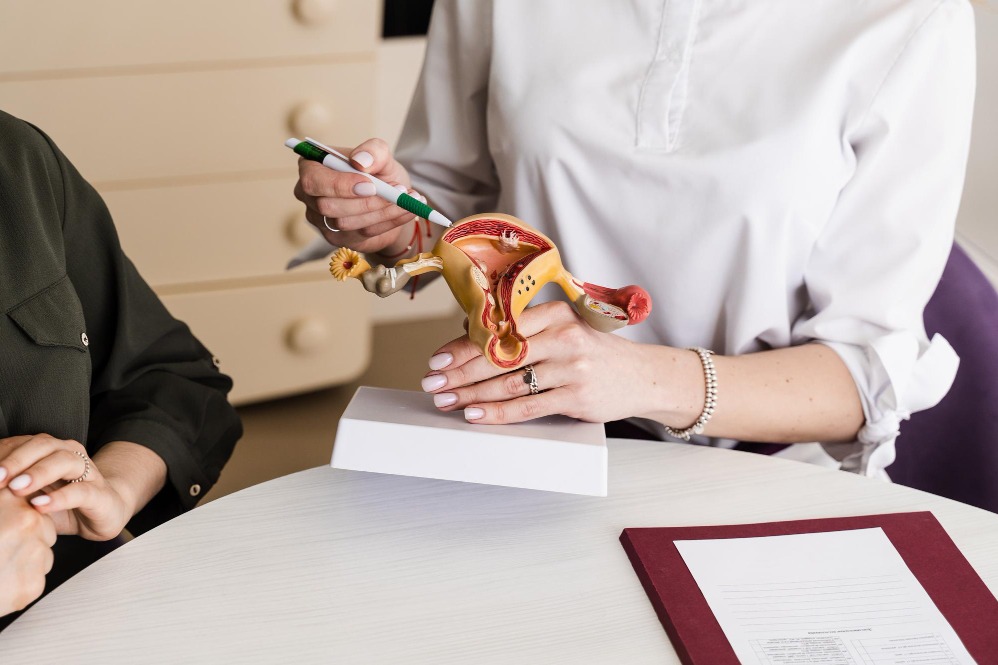
Vaginismus is a medical condition that can affect a woman's physical comfort, emotional well-being, and intimate relationships. Although it is more common than many people realise, it often goes undiagnosed because women may feel embarrassed, anxious, or unsure about discussing their symptoms. Fortunately, vaginismus is a treatable condition, and seeking timely medical care can significantly improve both physical and emotional health.
Learning about vaginismus before consulting a healthcare professional helps women understand that they are not alone and that effective treatment options are available. Early diagnosis and personalised care often lead to better outcomes and improved quality of life.
What Is Vaginismus?
Vaginismus is the involuntary tightening or spasming of the pelvic floor muscles surrounding the vaginal opening. This muscle contraction happens automatically and is beyond a woman's conscious control. As a result, vaginal penetration may become painful, difficult, or impossible.
The condition can affect activities such as:
- Sexual intercourse
- Gynecological examinations
- Tampon insertion
- Certain medical procedures involving the vagina
The severity varies among individuals. Some women experience mild discomfort, while others may avoid penetration altogether because of pain or fear.
What Causes Vaginismus?
There is no single cause of vaginismus. Instead, it often develops due to a combination of physical and psychological factors.
Common contributing factors include:
- Anxiety related to penetration
- Fear of pain
- Previous painful sexual experiences
- Childbirth-related trauma
- Pelvic floor muscle dysfunction
- Vaginal infections
- Hormonal changes causing vaginal dryness
- Previous pelvic surgery
- Emotional stress
- Relationship concerns
Identifying the underlying cause is one of the most important steps in planning successful treatment.
Signs That Should Not Be Ignored
Many women assume painful penetration is normal and delay seeking medical help. However, persistent discomfort deserves professional evaluation.
Symptoms may include:
- Pain during intercourse
- Difficulty with vaginal penetration
- Tightening of vaginal muscles
- Burning or stinging sensation
- Fear or anxiety before intimacy
- Difficulty inserting tampons
- Pain during pelvic examinations
If these symptoms continue despite relaxation or lubrication, it is advisable to consult a gynecologist.
How Is Vaginismus Diagnosed?
Diagnosis begins with a confidential discussion about your symptoms, medical history, and any concerns related to intimate health. The consultation is conducted in a respectful and supportive environment where patients can speak openly without fear of judgment.
When necessary, the doctor may perform a gentle examination to rule out other conditions such as infections, vaginal abnormalities, or pelvic disorders. In many cases, the diagnosis is based primarily on medical history and symptom evaluation rather than extensive testing.
Treatment Options Available
Treatment for vaginismus is highly individualised because every woman's experience is different. A combination of therapies often provides the best results.
Pelvic Floor Physiotherapy
Specialised physiotherapy focuses on teaching women how to relax and control the pelvic floor muscles. Gentle exercises improve muscle coordination and reduce involuntary tightening.
Counselling and Psychological Support
For women whose symptoms are linked to anxiety, fear, or emotional experiences, counselling can help address the psychological factors contributing to vaginismus.
Vaginal Dilator Therapy
Medical-grade vaginal dilators may be introduced gradually under professional guidance. This approach helps reduce muscle sensitivity while improving comfort and confidence over time.
Medical Treatment
If an underlying medical condition such as infection, hormonal imbalance, or vaginal dryness is identified, appropriate treatment is provided alongside supportive therapies.
Why Early Medical Care Makes a Difference
Ignoring vaginismus can affect emotional health, relationships, and self-confidence. Early intervention often allows women to overcome symptoms before they become more deeply associated with fear or anxiety.
Prompt treatment may help:
- Improve comfort during intimacy
- Reduce fear of penetration
- Enhance pelvic floor muscle function
- Improve emotional well-being
- Strengthen intimate relationships
- Restore confidence
The earlier the condition is evaluated, the easier it is to develop an effective treatment plan.
Choosing the Right Healthcare Provider
Because vaginismus involves both physical and emotional aspects of health, choosing an experienced gynecologist is essential. A supportive doctor creates a safe environment where patients feel comfortable discussing sensitive concerns without embarrassment.
Women looking for specialised gynecological care in Pune often prefer clinics that provide compassionate counselling alongside evidence-based treatment. At Dr Manisha Patil's Heal & Care, every consultation begins with understanding the patient's concerns before developing a personalised treatment plan that addresses both the medical and emotional aspects of vaginismus.
Taking the First Step Towards Recovery
Vaginismus is a recognised medical condition, and no woman should feel isolated or ashamed because of it. Effective treatment is available, and recovery is possible with the right combination of medical care, physiotherapy, counselling, and patient commitment.
Seeking professional guidance is the first step towards regaining comfort, confidence, and a better quality of life. With personalised treatment and compassionate support, women can overcome vaginismus and move forward with greater physical and emotional well-being.
Keywords


