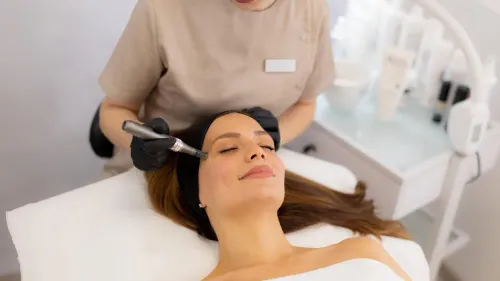
Hair thinning and excessive hair fall are concerns that affect both women and men, often impacting confidence and self-esteem. While hair loss can occur due to genetics, hormonal changes, nutritional deficiencies, stress, or certain medical conditions, early intervention can help slow progression and improve hair quality. Among the various non-surgical hair restoration options available today, Platelet-Rich Plasma (PRP) hair treatment has become a widely discussed procedure because it uses the body's own healing properties to support healthier hair growth.
If you are considering PRP hair treatment, understanding how it works, who may benefit, and what results to expect can help you make an informed decision.
What Is PRP Hair Treatment?
PRP, or Platelet-Rich Plasma, is prepared using a small sample of your own blood. The blood is processed to separate the platelet-rich plasma, which contains growth factors that may help stimulate tissue repair and support healthier hair follicles.
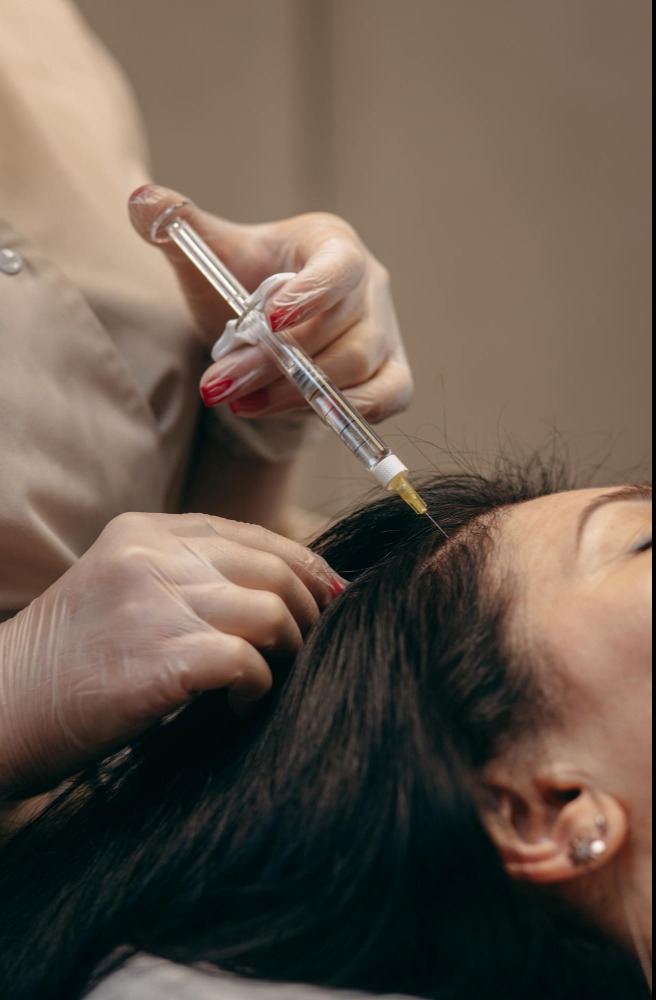
Once prepared, the PRP is injected into specific areas of the scalp experiencing hair thinning. Since the treatment uses your own blood components, the risk of allergic reactions is generally low.
PRP does not create new hair follicles. Instead, it aims to improve the function of existing follicles that have become weak or inactive.
Who May Benefit from PRP Hair Treatment?
PRP hair treatment is often recommended for individuals experiencing early or moderate hair thinning rather than complete baldness.
It may be suitable for people with:
- Female pattern hair thinning
- Male pattern hair loss in early stages
- Hair shedding after pregnancy
- Stress-related hair fall
- Hormonal hair loss
- Hair thinning due to nutritional deficiencies after appropriate medical management
- Reduced hair density
A medical consultation is necessary to determine whether PRP is the right option based on the underlying cause of hair loss.
How Is the Procedure Performed?
PRP hair treatment is usually completed as an outpatient procedure.
The process generally includes:
- Drawing a small amount of blood.
- Processing the sample in a centrifuge to separate platelet-rich plasma.
- Preparing the scalp for treatment.
- Injecting PRP into targeted areas of the scalp.
- Providing post-treatment care instructions.
The procedure typically takes around 45 to 60 minutes, and most individuals can return to their routine activities shortly afterwards.
Benefits of PRP Hair Treatment
When recommended for suitable candidates, PRP may provide several advantages.
Potential benefits include:
- Supports healthier hair follicles
- May reduce excessive hair shedding
- Encourages thicker-looking hair over time
- Uses the patient's own blood components
- Minimally invasive procedure
- Little downtime
- Can be combined with other medically advised hair treatments
Results vary depending on the individual's scalp condition, overall health, and the cause of hair loss.
How Many Sessions Are Usually Needed?
Hair growth is a gradual process, and noticeable improvement generally requires multiple treatment sessions.
The number of sessions depends on factors such as:
- Severity of hair thinning
- Underlying cause of hair loss
- Individual response to treatment
- Long-term maintenance requirements
Your doctor will recommend a treatment schedule based on your specific condition rather than following a standard protocol for every patient.
Supporting Better Hair Growth
Professional treatment works best when combined with healthy lifestyle habits.
To maintain healthy hair:
- Eat a balanced, protein-rich diet
- Correct nutritional deficiencies when advised
- Manage stress effectively
- Avoid excessive heat styling
- Use mild hair care products
- Follow prescribed medications if recommended
- Attend follow-up appointments regularly
These measures help support overall scalp health and maximise treatment outcomes.
Why Medical Evaluation Is Important
Hair loss can result from hormonal disorders, thyroid disease, iron deficiency, nutritional imbalance, scalp infections, or genetic factors. Treating the symptom without identifying the underlying cause may limit long-term success.
Women experiencing persistent hair thinning in Pune often choose experienced healthcare providers who perform a detailed assessment before recommending treatment. At Dr Manisha Patil's Heal & Care, every patient undergoes a comprehensive evaluation to determine the cause of hair loss before PRP or any other hair restoration procedure is advised, ensuring that treatment is personalised and evidence-based.
Make an Informed Decision About Hair Restoration
PRP hair treatment is not a quick fix or a permanent cure for every type of hair loss. However, when used for appropriate candidates and combined with medical guidance, healthy lifestyle habits, and consistent follow-up, it can become an effective part of a comprehensive hair restoration plan.
If you have noticed persistent hair thinning or increased hair fall, consulting a qualified medical professional can help identify the cause early and guide you toward the most suitable treatment options. Taking timely action often provides the best opportunity to maintain healthier, stronger, and fuller-looking hair over the long term.
Keywords