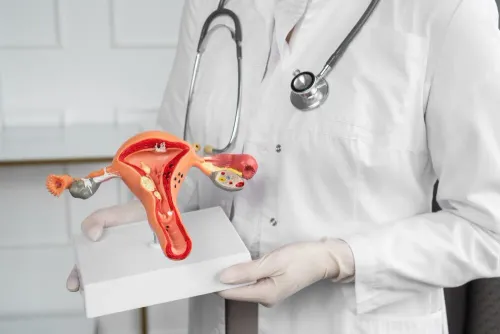
Choosing a birth control method is a personal healthcare decision that should be based on accurate medical information rather than assumptions or advice from friends and social media. Every woman's body, lifestyle, reproductive goals, and medical history are different, which means the most suitable contraceptive method also varies from person to person. This is where contraception counselling becomes valuable.
Contraception counselling helps women and couples understand the available birth control options, their effectiveness, possible side effects, and how each method fits individual health needs. Instead of focusing on a single solution, the consultation aims to help patients make informed decisions that support both their present and future reproductive plans.
What Is Contraception Counselling?
Contraception counselling is a personalised medical consultation that helps individuals understand different methods of preventing pregnancy while considering their health, age, lifestyle, and future family planning goals.
During the consultation, a gynecologist discusses suitable contraceptive options, answers common questions, and explains the advantages and limitations of each method. The objective is to provide evidence-based guidance that enables patients to choose the most appropriate option with confidence.
Who Can Benefit from Contraception Counselling?
Many people believe contraception counselling is only for married couples, but women at different stages of life may benefit from professional advice.
It is particularly useful for:
- Newly married couples
- Women planning to delay pregnancy
- Mothers after childbirth
- Women looking for long-term birth control
- Individuals with medical conditions requiring specialised contraceptive advice
- Women approaching perimenopause
- Couples planning future pregnancies
Professional counselling ensures that contraceptive decisions are aligned with both current needs and future reproductive goals.
Different Types of Contraceptive Methods
Modern contraception includes several options, each with its own benefits and considerations.
Common methods include:
Barrier Methods
Barrier contraceptives help prevent sperm from reaching the egg and are widely used because they are non-hormonal and easy to access.
Hormonal Contraceptives
Hormonal methods work by preventing ovulation or changing the reproductive environment to reduce the likelihood of pregnancy. These methods require medical evaluation before use.
Intrauterine Devices (IUDs)
An intrauterine device is a long-acting reversible contraceptive that provides effective pregnancy prevention for several years while allowing fertility to return after removal.
Permanent Contraception
Permanent methods may be suitable for individuals or couples who have completed their families and do not wish to have more children.
The choice depends on personal preferences, medical history, and long-term family planning objectives.
Factors Considered During Counselling
A gynecologist does not recommend contraception based solely on convenience. Several health-related factors are evaluated before suggesting an appropriate option.
These include:
- Age
- Medical history
- Menstrual pattern
- Previous pregnancies
- Breastfeeding status
- Existing medical conditions
- Smoking habits
- Future pregnancy plans
- Current medications
This personalised approach helps maximise both safety and effectiveness.
Common Myths About Birth Control
Misunderstandings about contraception often prevent women from choosing suitable methods.
Some common myths include:
- Birth control always causes infertility.
- Every contraceptive method leads to weight gain.
- Hormonal contraception is unsafe for everyone.
- One method works equally well for all women.
In reality, contraceptive methods are selected after considering individual health factors, and many concerns can be addressed during proper medical counselling.
Why Professional Guidance Is Important
Choosing contraception without medical advice may increase the risk of side effects, incorrect use, or selecting a method that does not match your health requirements.
A qualified gynecologist explains:
- How each method works
- Expected effectiveness
- Possible side effects
- When to start contraception
- When follow-up may be needed
- When a different method should be considered
Professional counselling provides reassurance while reducing unnecessary anxiety and confusion.
Supporting Long-Term Reproductive Health
Contraception is not only about preventing pregnancy. It is also an important part of reproductive healthcare that allows women to plan pregnancies, manage certain medical conditions, and make informed decisions about their future.
Women seeking reproductive healthcare in Pune often choose experienced specialists who provide comprehensive counselling rather than simply prescribing a contraceptive method. At Dr Manisha Patil's Heal & Care, consultations focus on understanding each patient's individual health needs, ensuring that every recommendation is medically appropriate and aligned with her reproductive goals.
Making Confident Healthcare Decisions
The right contraceptive method is the one that suits your health, lifestyle, and future plans. There is no universal solution that works for everyone, which is why personalised contraception counselling plays such an important role.
By seeking guidance from a qualified gynecologist, women can understand their options clearly, address concerns confidently, and choose a birth control method that supports both their reproductive health and overall well-being. Knowledge, professional advice, and informed decision-making remain the foundation of safe and effective family planning.
Keywords