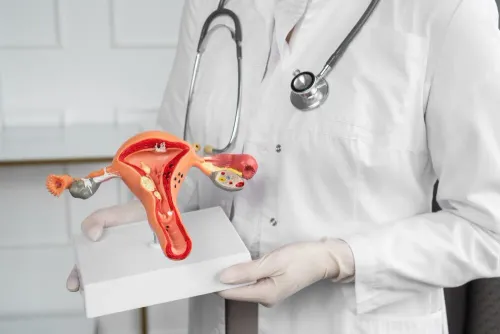
Women's intimate health changes throughout different stages of life. Pregnancy, childbirth, ageing, menopause, hormonal fluctuations, and certain medical conditions can affect vaginal tissue, leading to symptoms that influence comfort, confidence, and quality of life. While many women believe these changes are simply a part of ageing, several non-surgical treatment options are now available to help improve intimate wellness without the need for surgery.
Non-surgical vaginal rejuvenation has become an increasingly discussed treatment because it focuses on restoring tissue health, improving comfort, and supporting vaginal function using minimally invasive techniques. Understanding how these treatments work helps women decide whether they may benefit from a professional consultation.
What Is Non-Surgical Vaginal Rejuvenation?
Non-surgical vaginal rejuvenation refers to medical procedures that stimulate natural tissue repair without making surgical incisions. These treatments encourage collagen production and improve blood circulation within the vaginal tissues, helping restore elasticity, hydration, and overall tissue quality.
Unlike surgical procedures, non-surgical options generally involve minimal discomfort and little downtime, allowing most women to return to their normal routine soon after treatment.
When Might Women Consider This Treatment?
Changes in intimate health can occur gradually, making it easy to overlook symptoms until they begin affecting everyday life.
Women may consider medical evaluation if they experience:
- Vaginal dryness
- Reduced vaginal elasticity
- Mild urinary leakage during coughing or exercise
- Discomfort during intimacy
- Reduced intimate sensation
- Vaginal laxity after childbirth
- Age-related tissue changes
- Menopausal vaginal discomfort
Not every symptom requires treatment, but persistent concerns should be evaluated by an experienced gynecologist.
Common Causes of Vaginal Tissue Changes
Several natural life events can influence vaginal health.
These include:
- Pregnancy and normal childbirth
- Hormonal changes after menopause
- Declining estrogen levels
- Ageing
- Significant weight changes
- Certain medical conditions
- Pelvic floor weakness
Understanding the underlying cause helps determine whether non-surgical rejuvenation is the most suitable treatment or whether another medical approach would be more beneficial.
How Does the Procedure Work?
Different technologies may be used depending on the individual's condition and treatment goals. Most non-surgical vaginal rejuvenation procedures are performed in an outpatient setting and do not require hospital admission.
The treatment generally involves:
- A detailed gynecological consultation.
- Assessment of symptoms and medical history.
- Selection of the appropriate treatment method.
- A short procedure performed under controlled clinical conditions.
- Post-treatment guidance for recovery and follow-up.
Most sessions are completed within a relatively short time, although the duration varies depending on the chosen technique.
Benefits of Non-Surgical Vaginal Rejuvenation
When recommended after proper evaluation, these procedures may provide several potential benefits.
Possible improvements include:
- Better vaginal hydration
- Improved tissue elasticity
- Increased comfort during daily activities
- Support for intimate wellness
- Mild improvement in stress urinary incontinence
- Enhanced confidence
- Minimal downtime
- Non-invasive treatment approach
Results differ from person to person and depend on age, tissue condition, hormonal health, and overall medical history.
Recovery and Aftercare
One advantage of non-surgical vaginal rejuvenation is the relatively quick recovery period. Most women are able to resume routine activities shortly after treatment.
Doctors may advise patients to:
- Follow intimate hygiene recommendations
- Avoid certain activities temporarily if required
- Stay hydrated
- Attend follow-up appointments
- Follow personalised post-treatment instructions
Adhering to medical advice supports healing and helps optimise treatment outcomes.
Choosing the Right Healthcare Provider
Because intimate health concerns are highly personal, selecting a qualified gynecologist is essential. A proper consultation should include discussion of symptoms, medical history, expectations, and whether the procedure is clinically appropriate.
An experienced specialist will explain both the benefits and limitations of treatment while ensuring patients have realistic expectations.
Women looking for personalised intimate wellness care in Pune often prefer clinics that combine advanced technology with compassionate medical guidance. At Dr Manisha Patil's Heal & Care, treatment recommendations are based on comprehensive clinical assessment rather than a one-size-fits-all approach, ensuring every patient receives care tailored to her individual needs.
Prioritising Intimate Health at Every Stage of Life
Intimate health is an important part of overall well-being, yet many women delay seeking help because they believe their symptoms are unavoidable. In reality, several minimally invasive options can improve comfort and support vaginal tissue health without surgery.
If symptoms such as dryness, laxity, or discomfort are affecting your daily life, consulting an experienced gynecologist is the first step toward understanding the available treatment options. With personalised medical advice and appropriate care, women can make informed decisions that support both their physical comfort and long-term confidence.
Keywords