Puberty is a significant stage in every girl's life, bringing physical, emotional, and hormonal changes that can sometimes feel confusing or overwhelming. While many of these changes are completely normal, some symptoms may require medical evaluation to ensure healthy development. A puberty and adolescent gynecology clinic provides age-appropriate care that focuses on the unique health needs of teenagers and young girls in a safe, respectful, and confidential environment.
Many parents hesitate to consult a gynecologist for their adolescent daughters, believing these specialists are only needed during adulthood or pregnancy. In reality, early gynecological care plays an important role in identifying menstrual disorders, hormonal imbalances, reproductive health concerns, and developmental issues before they become more complicated.
Understanding Adolescent Gynecology
Adolescent gynecology is a specialized area of women's healthcare that focuses on girls from childhood through their teenage years. The goal is not only to diagnose medical conditions but also to educate young patients about their changing bodies, menstrual health, hygiene, nutrition, and reproductive wellness.
These consultations are conducted with sensitivity, ensuring that both the teenager and her parents feel comfortable discussing concerns openly.
When Should a Teenager Visit a Gynecologist?
Not every adolescent requires treatment, but certain situations warrant a medical consultation.
Common reasons include:
- Irregular menstrual cycles
- Very painful periods
- Heavy menstrual bleeding
- Delayed onset of puberty
- Early puberty
- Absence of periods after the expected age
- Excessive facial hair growth
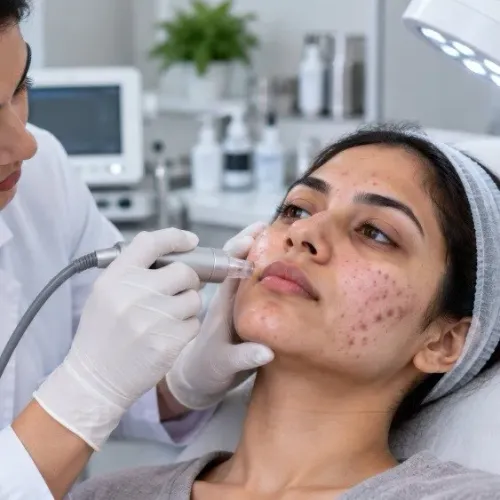
- Severe acne associated with hormonal imbalance
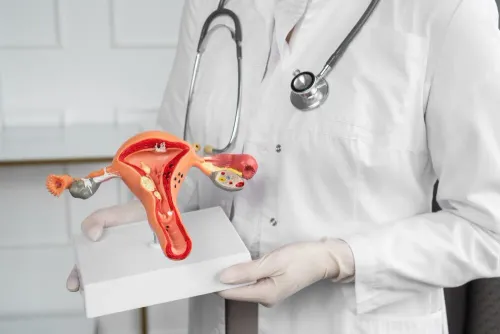
- Ovarian cysts
- Vaginal infections
- Pelvic pain
Seeking medical advice early often helps prevent future reproductive health complications.
Common Health Concerns During Puberty
Hormonal fluctuations during adolescence affect every individual differently. Some girls experience only mild changes, while others develop symptoms that interfere with daily life.
Irregular Menstrual Cycles
It is common for menstrual cycles to remain irregular during the first few years after menstruation begins. However, prolonged irregularity or very infrequent periods may require further evaluation.
Painful Periods
Mild discomfort is expected during menstruation, but severe pain that prevents school attendance or normal activities should never be ignored.
Heavy Menstrual Bleeding
Excessive bleeding can lead to fatigue and iron deficiency. A medical assessment helps determine whether hormonal changes or another condition is responsible.
Hormonal Disorders
Conditions such as Polycystic Ovary Syndrome (PCOS) may first become noticeable during adolescence. Early diagnosis allows timely management and reduces future health risks.
What Happens During the First Visit?
Many parents worry that a gynecology appointment may be uncomfortable for their daughter. In most cases, the first consultation mainly involves discussion rather than examination.
The doctor typically reviews:
- Medical history
- Menstrual history
- Growth and development
- Lifestyle habits
- Nutrition
- Family medical history
- Current symptoms
A physical examination or additional investigations are recommended only when clinically necessary and always with appropriate consent.
The Importance of Menstrual Education
One of the biggest advantages of visiting a puberty and adolescent gynecology clinic is education. Many young girls receive incomplete or inaccurate information from peers or social media, leading to unnecessary anxiety.
Professional guidance helps adolescents understand:
- Normal menstrual cycles
- Menstrual hygiene practices
- Safe use of sanitary products
- Hormonal changes
- Healthy body image
- Nutrition during adolescence
- When medical attention is necessary
This knowledge empowers teenagers to take better care of their reproductive health.
Supporting Emotional Well-Being
Puberty affects emotional health as much as physical health. Mood changes, anxiety, body image concerns, and self-confidence issues often accompany hormonal changes.
A compassionate healthcare provider creates a supportive environment where adolescents feel comfortable asking questions about topics they may otherwise hesitate to discuss.
Parents also benefit by receiving guidance on how to support their daughters during this important stage of development.
Choosing the Right Adolescent Gynecology Clinic
A good adolescent gynecology clinic prioritizes privacy, clear communication, and age-appropriate care. Instead of focusing only on medical treatment, the consultation should encourage education, reassurance, and preventive healthcare.
Families in Pune often seek specialists who understand the unique healthcare needs of adolescents while providing a welcoming and non-judgmental atmosphere. At Dr Manisha Patil's Heal & Care, consultations are designed to address both medical concerns and health education, helping young patients build confidence in managing their reproductive health.
Building Healthy Habits for the Future
Early gynecological care is an investment in long-term women's health. Timely diagnosis of menstrual disorders, hormonal conditions, and developmental concerns can improve quality of life while reducing the risk of future complications.
Encouraging adolescent girls to seek accurate medical guidance helps them understand their bodies, develop healthy habits, and approach reproductive health with confidence. With appropriate support from experienced healthcare professionals and informed parents, young women can navigate puberty more comfortably and establish a strong foundation for lifelong well-being.
Keywords