Irregular periods, unexpected weight gain, acne that doesn't improve with skincare, or excessive facial hair are often brushed aside as temporary hormonal changes. However, when these symptoms continue for months, they may point to a condition known as Polycystic Ovarian Disease (PCOD). It is one of the most common hormonal disorders affecting women of reproductive age and can influence menstrual health, fertility, metabolism, and overall well-being.
Seeking timely guidance from a PCOD Clinic can help identify the condition early and reduce the risk of long-term complications. At Heal And Care Clinic, Dr. Manisha Patil focuses on understanding each woman's unique health profile before recommending a personalized treatment plan. Since PCOD presents differently in every individual, there is no one-size-fits-all approach.
What Is PCOD?
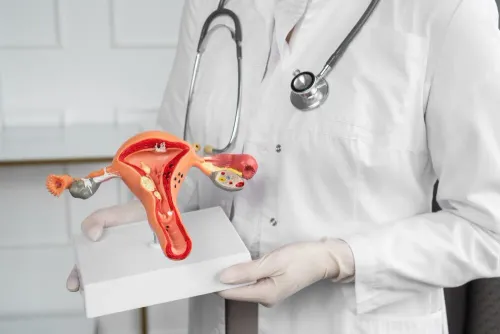
PCOD is a hormonal condition in which the ovaries may produce higher-than-normal levels of androgens, often referred to as male hormones. This hormonal imbalance can interfere with regular ovulation, leading to irregular menstrual cycles and other symptoms.
Although the name suggests the presence of cysts, not every woman with PCOD develops ovarian cysts. Diagnosis is based on a combination of symptoms, medical history, physical examination, and appropriate investigations.
Early diagnosis makes managing the condition much easier and helps prevent associated health concerns.
Common Signs You Shouldn't Ignore
Many women experience symptoms gradually, making them easy to overlook. If several of these occur together, it's worth discussing them with a gynecologist.
Some of the most common symptoms include:
- Irregular or missed menstrual periods
- Heavy or prolonged bleeding
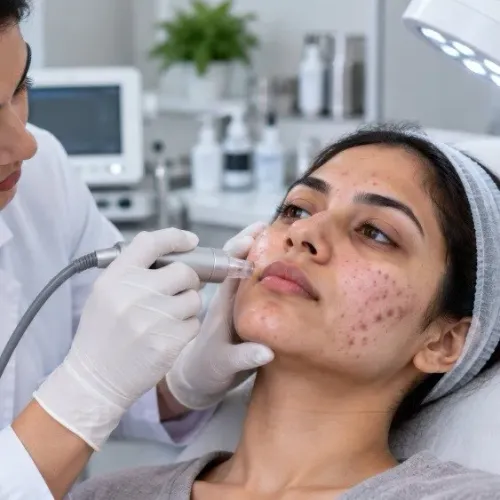
- Acne that persists beyond adolescence
- Increased facial or body hair growth
- Hair thinning or scalp hair loss
- Unexplained weight gain
- Difficulty losing weight
- Dark patches of skin around the neck or underarms
- Difficulty conceiving
Not every woman experiences all these symptoms. Some may primarily struggle with irregular periods, while others may seek medical advice for fertility concerns.
What Causes PCOD?
The exact cause of PCOD is still being studied, but several factors are known to contribute.
These include:
- Genetic predisposition
- Hormonal imbalance
- Insulin resistance
- Excess androgen production
- Lifestyle factors such as physical inactivity
- Obesity in some individuals
Contrary to popular belief, being overweight does not automatically mean someone has PCOD, and women with a healthy body weight can also develop the condition.
How Is PCOD Diagnosed?
Diagnosing PCOD involves more than a single blood test or ultrasound. A comprehensive evaluation helps rule out other conditions that may produce similar symptoms.
Your doctor may recommend:
- A detailed menstrual history
- Physical examination
- Hormonal blood tests
- Blood sugar evaluation
- Thyroid function tests, when necessary
- Pelvic ultrasound
The findings from these assessments help determine whether PCOD is present and guide the most suitable treatment plan.
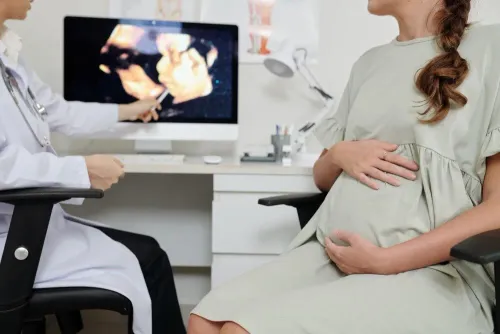
Can PCOD Affect Fertility?
One of the biggest concerns among women with PCOD is whether they will be able to conceive.
While PCOD can interfere with ovulation, many women with the condition go on to have healthy pregnancies with appropriate medical guidance. Early intervention often improves reproductive outcomes by regulating ovulation and addressing underlying hormonal imbalances.
For women planning a family, timely medical care can make a significant difference.
Lifestyle Changes That Support PCOD Management
Medical treatment is often combined with lifestyle modifications to improve hormonal balance and overall health.
Simple but effective habits include:
- Following a balanced, nutrient-rich diet
- Engaging in regular physical activity
- Maintaining a healthy weight
- Managing stress through relaxation techniques
- Sleeping adequately each night
- Attending regular follow-up appointments
Even modest lifestyle improvements can positively influence menstrual regularity and metabolic health over time.
Why Regular Monitoring Is Important
PCOD is not limited to menstrual irregularities. Without proper management, it may increase the risk of developing other health concerns later in life.
These may include:
- Type 2 diabetes
- High blood pressure
- Elevated cholesterol levels
- Endometrial problems due to prolonged irregular cycles
- Fertility challenges
- Emotional stress and reduced self-confidence
Regular check-ups allow treatment plans to be adjusted as health needs change over time.
When Should You Visit a PCOD Clinic?
You should consider scheduling an evaluation if you experience:
- Periods that remain irregular for several months
- Difficulty conceiving after trying naturally
- Persistent acne despite treatment
- Noticeable facial hair growth
- Sudden weight changes without explanation
- Hair thinning along with menstrual irregularities
Early diagnosis often allows symptoms to be managed more effectively before complications develop.
Women in Pune are increasingly seeking specialized care for hormonal health, fertility planning, and menstrual disorders. Access to a dedicated PCOD clinic enables timely diagnosis, individualized treatment, and ongoing support tailored to each stage of life.
If you've been experiencing symptoms that may be related to PCOD, consulting Heal And Care Clinic and Dr. Manisha Patil can help you understand what's causing your concerns. A comprehensive evaluation, combined with personalized guidance, can support better hormonal health, improve quality of life, and help you move forward with confidence.
Keywords