Hair loss can affect people at different stages of life and for many different reasons. While some notice gradual thinning over the years, others experience sudden hair loss due to genetics, hormonal changes, medical conditions, or stress. Whatever the cause, losing hair often impacts confidence and can influence the way people feel about their appearance.
For individuals in Pune looking for long-term solutions, understanding how a Hair Transplant works is an important first step. At Heal And Care Clinic, Dr. Manisha Patil believes that informed patients make better treatment decisions, which is why a proper consultation is always recommended before considering any hair restoration procedure.
Understanding Why Hair Loss Happens
Hair naturally follows a growth cycle, but certain factors can interrupt this process. Common causes include:
- Hereditary pattern baldness
- Hormonal imbalances
- Nutritional deficiencies
- Stress and lifestyle factors
- Medical conditions affecting the scalp
- Certain medications
- Age-related thinning
Identifying the underlying cause is essential because not every type of hair loss requires a transplant. In many cases, medical treatments, lifestyle improvements, or targeted therapies may help slow or reduce hair fall before surgical options are considered.
What Is a Hair Transplant?
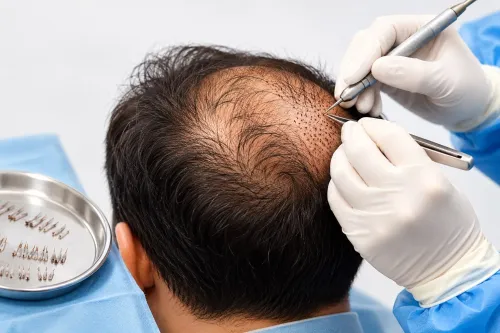
A hair transplant is a procedure in which healthy hair follicles are taken from an area with dense hair growth—usually the back or sides of the scalp—and carefully implanted into areas where hair has become thin or absent.
Since the transplanted follicles are generally resistant to permanent hair loss, they continue to grow naturally after the healing process.
Modern techniques focus on achieving natural-looking hairlines rather than creating an artificial appearance. The objective is to restore density while maintaining harmony with the patient's facial features and age.
Who May Be a Suitable Candidate?
Not everyone experiencing hair loss requires or qualifies for a transplant. A thorough evaluation helps determine whether the procedure is appropriate.
Suitable candidates often include people who:
- Have stable pattern hair loss
- Possess adequate donor hair on the scalp
- Are in good general health
- Have realistic expectations about the outcome
- Understand that hair restoration is a gradual process
Younger individuals with rapidly progressing hair loss may sometimes be advised to stabilize their condition before undergoing the procedure.
What Happens During the Consultation?
The consultation is one of the most important parts of the treatment journey. Instead of focusing only on the visible bald areas, the doctor evaluates several factors that influence long-term success.
These typically include:
- Hair loss pattern
- Quality of donor hair
- Scalp condition
- Medical history
- Family history of baldness
- Lifestyle habits
- Future risk of continued hair loss
This detailed assessment helps create a treatment plan tailored to the individual's needs rather than offering a one-size-fits-all solution.
What to Expect After the Procedure
Hair restoration is a gradual process, and patience is essential.
Many people are surprised to learn that newly transplanted hair often sheds within the first few weeks. This is a normal part of the growth cycle. New hair usually begins growing over the following months, with noticeable improvements becoming more apparent over time.
General recovery may include:
- Mild swelling for a few days
- Temporary redness around transplanted follicles
- Small scabs that heal naturally
- Gradual return to routine activities as advised by the doctor
Following post-procedure instructions carefully contributes to healthy healing and better results.
Common Myths About Hair Transplants
There are several misconceptions surrounding hair restoration. Understanding the facts can help patients make informed decisions.
Myth: Hair transplants produce immediate results.
Fact: Hair growth develops gradually over several months.
Myth: The transplanted hair looks unnatural.
Fact: Modern techniques aim for natural density and hairline design.
Myth: Anyone with hair loss needs a transplant.
Fact: Some forms of hair loss respond well to medical treatment without surgery.
Myth: Hair transplants are only for men.
Fact: Women experiencing suitable types of hair loss may also benefit after proper evaluation.
Why Professional Assessment Matters
Hair restoration is not only about replacing lost hair—it is about preserving existing hair and planning for future changes. Since hair loss patterns can continue to evolve, choosing the right timing and treatment approach plays a significant role in achieving balanced, long-lasting results.
For residents across Pune and other parts of Maharashtra, consulting an experienced medical professional helps determine whether a transplant is the right option or whether alternative treatments should be explored first.
A personalised assessment also allows patients to understand the expected timeline, recovery process, and realistic outcomes before making a decision.
If you're noticing persistent hair thinning or bald patches and want to understand your options, scheduling a consultation with Heal And Care Clinic and Dr. Manisha Patil can provide clarity. A detailed evaluation can help identify the cause of hair loss and recommend the most appropriate treatment plan based on your individual needs and long-term goals.
Keywords